Royal Cancer News ‘Raises Questions’ After Charles & Kate’s Diagnoses
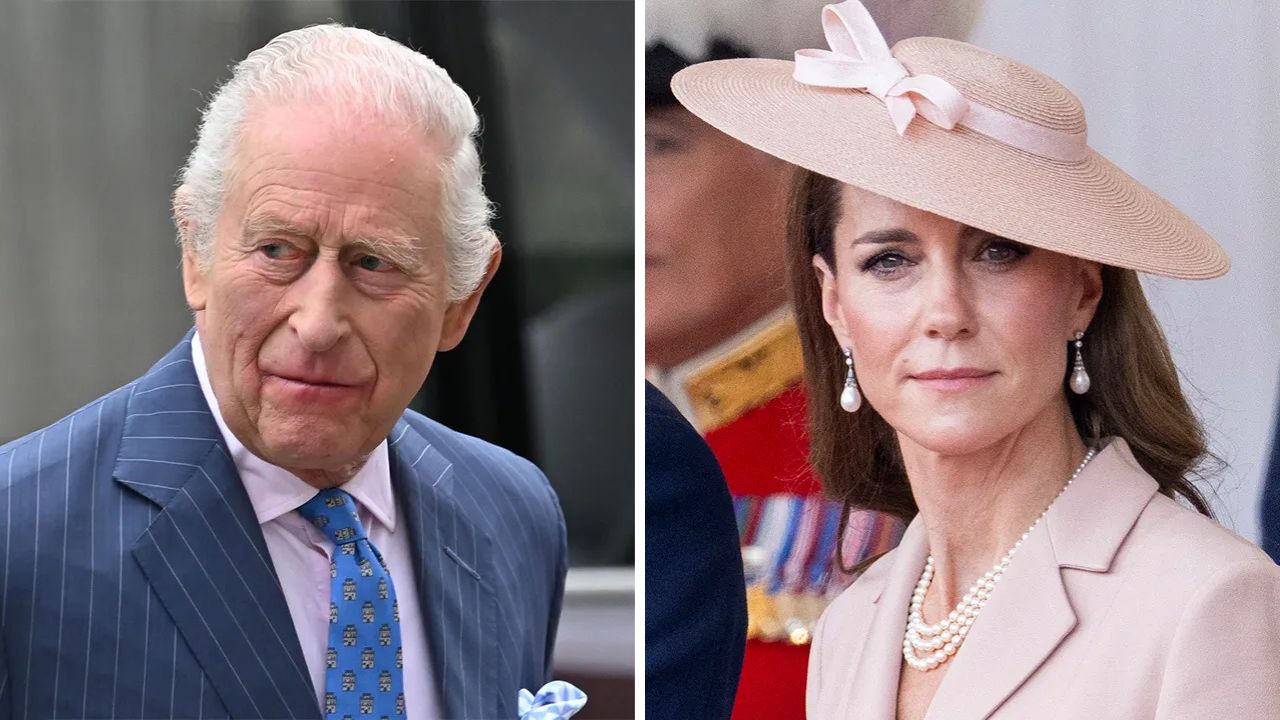
There have been plenty of scandals surrounding the British royal family in the past few years. And though some, like Andrew and Fergie’s ties with convicted sex offender Jeffrey Epstein, have been about the conduct of certain members of the family, others have been about something they can’t control: their health.
King Charles and Kate Middleton have both battled cancer in the last few years. There have been rumors that Queen Elizabeth also fought with the disease before her death. And now there are reports that Prince Phillip also had cancer before his own death. If true, a troubling pattern for the royal family.


Related: Here’s what each royal inherited from Queen Elizabeth
Hugo Vickers’s new book, Queen Elizabeth II: A Personal History, claims that Prince Philip was diagnosed with pancreatic cancer in 2013, eight years before his death. But RadarOnline is reporting that these claims have been met with pushback in the medical community, or at least questions.
A medical expert familiar with pancreatic cancer outcomes told the outlet, “An eight-year survival in what is described as inoperable pancreatic cancer would be considered highly unusual – it immediately raises questions about the specific type of tumor involved and whether it behaved differently from the most common forms.”
Yet another specialist told the outlet, “When you see survival on that scale, clinicians would typically consider whether it was a less aggressive subtype, rather than the more typical and fast-progressing cancers associated with the pancreas.”
“Doctors had detected a shadow on his pancreas, and had cut him right across his stomach,” Vickers wrote in the book, which is being serialized in the Daily Mail. “The verdict was inoperable pancreatic cancer.”
Vickers also said that, at the time, it was believed that the Duke would not make any more public appearances. But he ended up living eight more years after the diagnosis. He passed away in April 2021. “But, as ever, the Duke outwitted the pessimists,” Vickers wrote.
Pancreatic cancer is one of the trickiest cancers to treat, because it is often diagnosed late and spreads very quickly. The most common form of the cancer, pancreatic adenocarcinoma, carries a five-year survival rate of just 5 to 10 percent.
“The standard form of pancreatic cancer is extremely aggressive and often detected at an advanced stage, which is why survival rates remain so low despite advances in treatment,” a medical source told RadarOnline. “The pancreas is located deep within the abdomen, and early symptoms are often vague, meaning diagnosis frequently comes too late for curative intervention.”
Some type of pancreatic cancers offer more of a chance of survival, including pancreatic neuroendocrine tumors, which develop in hormone-producing cells. “There are forms of pancreatic cancer that behave very differently – some grow slowly and can be managed over several years, even when they are not considered operable in the traditional sense,” a source said.
“While still serious, these rarer tumors can allow for extended survival that would not be expected with more common pancreatic cancers.”
The British royal family has not confirmed if Prince Philip had cancer before his death or what kind of cancer he could have had. They have also not confirmed what type of cancer King Charles is battling right now.